What Instacart Shoppers Actually Make (After Gas and Time)
Instacart pays more per batch than most delivery apps. But the math looks different once you account for the full time you're spending. Here's the honest breakdown.
Affiliate Disclosure: Some links in this article are affiliate links. If you click through and sign up or make a purchase, we may earn a commission at no extra cost to you. This helps keep our content free. We only recommend products we've researched and believe offer genuine value. Full disclosure policy.
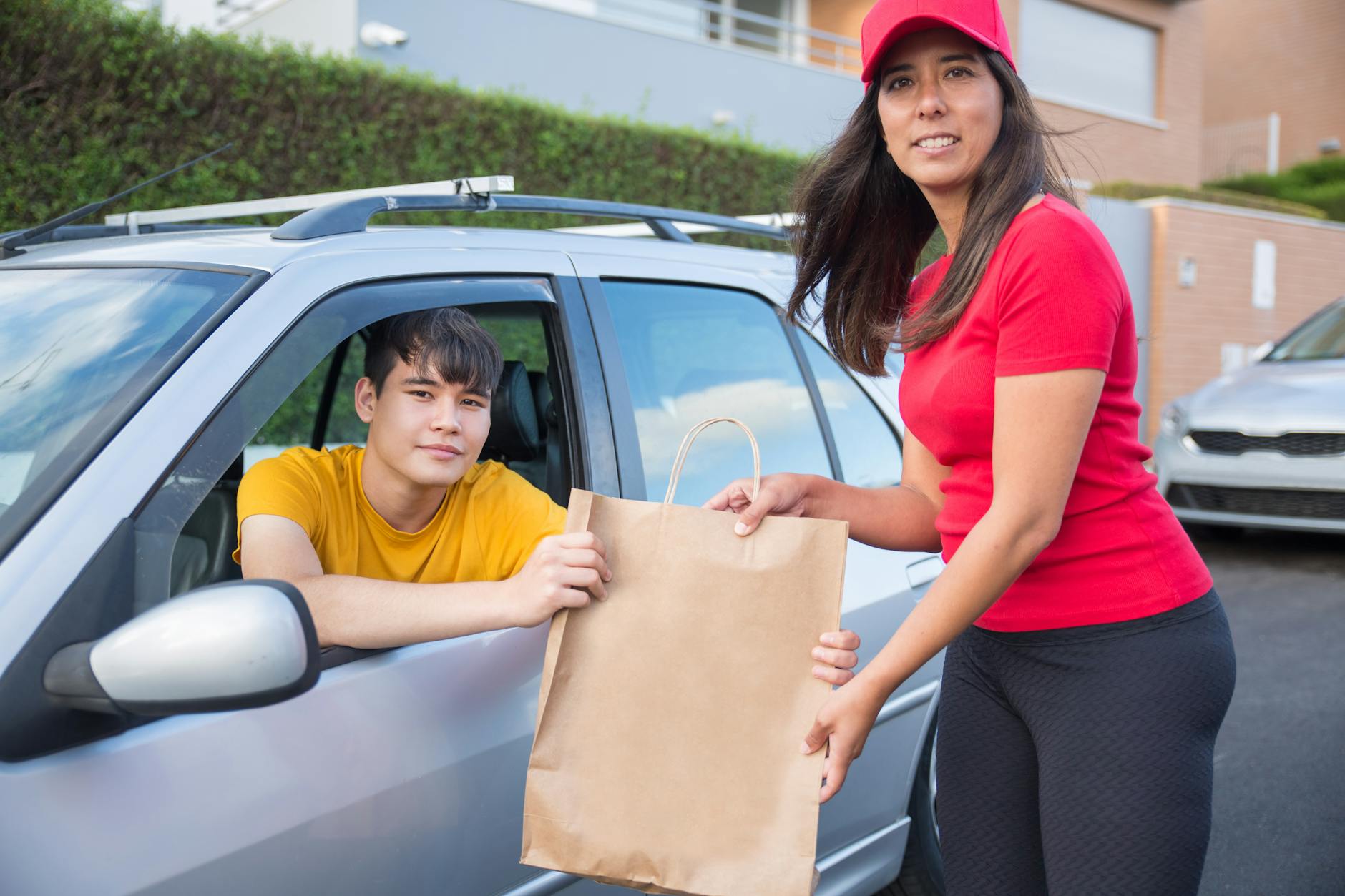
Instacart is a different kind of gig than food delivery. You’re not just driving, you’re physically shopping for groceries, navigating a store, dealing with substitutions, managing a cart, and then delivering. It takes more skill and more time than dropping off a bag of fast food.
That’s worth knowing before you sign up, because it changes how you should think about the earnings.
I’ve shopped for multiple delivery platforms. Here’s what Instacart actually pays, how it compares to other gig apps, and who it genuinely works well for.
What is Instacart?
Instacart is a grocery delivery platform that connects shoppers with customers who want groceries delivered from stores like Costco, Kroger, Publix, Whole Foods, Target, and hundreds of regional chains.
There are two distinct roles:
Full-service shopper. You shop the order in-store and deliver it to the customer. You’re an independent contractor, set your own hours, and earn both batch pay and tips. You need a car.
In-store shopper. You pick and stage orders inside the store for pickup or for full-service shoppers to deliver. You’re a part-time employee with scheduled shifts, an hourly wage, and no tips. No car required.
This review focuses on full-service shoppers, which is the flexible gig model most people are looking for.
Who is Instacart best for?
Full-service Instacart shopping works well if you live near an affluent suburban area with active stores, drive a reasonably fuel-efficient vehicle, and can shop efficiently without losing time to disorganized batches. Experienced shoppers who know their local stores and know which batches to accept can do meaningfully better than average.
It’s a poor fit if you’re in a saturated urban market with too many shoppers competing for batches, if your car gets poor mileage, or if grocery shopping itself stresses you out. The job is literally grocery shopping for strangers. Some people find it satisfying, others find it tedious.
Requirements
To become a full-service Instacart shopper you need:
- Age 18 or older
- A smartphone (iOS or Android)
- A vehicle with valid insurance meeting your state’s minimum requirements
- A background check (standard, takes a few days)
No special license is required. No rideshare endorsement. You do need to be eligible to work in the U.S.
How the pay works
Instacart pay has a few components:
Batch pay, A flat amount per batch (order or group of orders), calculated based on items, distance, complexity, and current demand. Instacart doesn’t publish a formula, but batch pay is typically higher than what most food delivery apps show per order.
Tips. Customers tip through the app, either at checkout or after delivery. Tips make up about 42% of total Instacart pay on average, by far the highest tip share of any major gig platform. A large Whole Foods order from a wealthy neighborhood can pay $10–20 in tips alone.
Promotions. Instacart runs Peak Boost promotions during busy periods (weekends, holidays) that add a few dollars per batch. These are worth targeting.
What shoppers actually earn
The honest number from a large dataset of 20,000+ shoppers tracked through Gridwise: the median gross pay is around $12.50/hour including tips. The top 25% of shoppers clear roughly $15/hour; the top 10% earn $18+/hour.
Those are gross numbers before expenses.
Expenses to subtract:
- Gas, roughly $0.15–0.25 per mile depending on your vehicle
- Vehicle wear and depreciation, the IRS estimates true vehicle cost at $0.725/mile for 2026
- Self-employment tax, 15.3% on net earnings (partially offset by mileage deductions)
For most full-service shoppers in mid-tier markets, net take-home after real expenses lands in the $10–14/hour range. In high-income suburban areas with active stores and generous tippers. It can reach $16–18/hour net. In oversaturated urban markets where batches are thin and distances are long. It can be less.
That spread is significant. Your market determines your ceiling more than your hustle does.
What makes Instacart different from food delivery
The shopping component is both the opportunity and the constraint.
On food delivery apps, an order takes as long as it takes to drive from the restaurant to the customer. On Instacart, you’re also spending 20–40 minutes walking through a grocery store. That’s time the app isn’t counting as “delivery time” in any metric, but it’s absolutely your time.
The upside: batch pay is typically higher per order because the work is more involved. A $28 batch that takes 50 minutes (10 min of driving to the store, 30 min shopping, 10 min delivering) is roughly $33.60/hour gross, solid.
The downside: a $12 batch that takes the same 50 minutes is $14.40/hour gross, and after expenses it barely pays. Learning to filter batches, and being willing to decline bad ones, is the real skill on Instacart.
Tips for earning more
Know your stores. Shoppers who know the layout of their local Kroger or Costco shop faster. Speed is leverage on a per-batch model.
Decline low-paying batches. A batch paying under $1 per item or $1 per mile of total driving typically isn’t worth your time. Instacart doesn’t penalize you for declining (your acceptance rate isn’t published to customers), but excessive cancellations after accepting a batch hurt your standing.
Target premium stores. Whole Foods, Sprouts, and specialty grocery orders tend to draw higher tips. Customers paying $12 for a bag of granola are generally more inclined to tip well.
Work peak hours. Weekend mornings (8am–noon) and weekend evenings are the busiest periods in most markets. Instacart adds Peak Boost during high-demand windows.
Watch for double and triple batches. Instacart sometimes groups 2–3 orders at once going to nearby addresses. These can pay significantly more per hour because you’re essentially doing one shopping trip for multiple deliveries.
Payout options
Instacart pays weekly via direct deposit. If you need your earnings sooner, the Instant Cashout feature lets you transfer earnings to a bank account or debit card in real time for a $0.50 fee per transfer. There’s no minimum amount.
The not-so-good
Saturated markets are real. In major cities and popular suburbs, the number of active shoppers can mean long waits between batches. If you open the app and nothing is available for 30 minutes, that’s 30 minutes of unpaid waiting.
Substitutions create friction. When an item is out of stock, you have to contact the customer for a substitution. Some customers don’t respond. Some reject your substitution. This slows you down and occasionally causes low ratings if the customer is unhappy with how you handled it.
Deactivation risk exists. Low ratings (below 4.7 typically triggers a warning), excessive cancellations after batch acceptance, and fraud flags can get your account deactivated. Unlike food delivery, which is mostly low-stakes, grocery orders involve more judgment calls that customers notice and rate.
It’s physical work. Carrying heavy bags, walking several miles per shift, lifting cases of water. It adds up. Not everyone finds this sustainable.
Is Instacart legit?
Yes. Instacart is publicly traded, operates in thousands of markets, and pays reliably. The earnings situation is complicated (as with all gig work) but the platform itself is not a scam. Deactivation concerns are real but manageable for shoppers who follow the rules.
Bottom line
Instacart can work as a side hustle if your market is active and you’re willing to learn which batches to take and which to skip. The pay is decent for gig work, better than most delivery apps on a per-hour basis in good conditions, but the shopping component means the actual time commitment is higher than it looks.
If you live near good stores, have a reliable car, and enjoy the structure of a task-based gig over pure driving, Instacart is worth trying. Run a few dozen batches before you decide whether the market and the work are a fit for you.
Sign up to be an Instacart shopper
Frequently asked questions
Do I need a specific type of vehicle? Instacart doesn’t specify vehicle type, any car, truck, or SUV that meets your state’s minimum insurance requirements qualifies. Larger vehicles are useful for big orders, but most orders fit in a standard sedan.
Can I do Instacart without a car? Not as a full-service shopper. The in-store shopper role doesn’t require a car, but it’s a part-time employee position with scheduled shifts, not flexible gig work.
Does Instacart take taxes out of my pay? No. Full-service shoppers are independent contractors paid via 1099. You’re responsible for self-employment tax. Track your mileage, the standard mileage deduction at $0.725/mile for 2026 significantly reduces your taxable earnings.
What happens if an item isn’t available? You contact the customer through the app to offer a substitution or ask if they want a refund. Handling substitutions professionally and quickly matters for your rating. Customers who don’t respond can be refunded for the missing item. Instacart has a process for this.
How does my rating affect my account? Instacart sends a warning if your rating drops below a threshold (generally around 4.7). Continued low ratings can lead to deactivation. The most common causes of low ratings are substitution handling, late deliveries, and missing items.
Get the Best Side Hustle Tips, Free
Weekly guides on making extra money, cashback tricks, and gig economy tips. No spam, ever.
✓ You're in! Check your inbox.
UNSUBSCRIBE ANY TIME
Gig Economy Editor
Sara Mitchell
Sara has been writing about personal finance and the gig economy for 8 years. She's driven for three different delivery platforms and tested nearly every survey app so you don't have to. Based in Austin, TX.