DoorDash vs. Uber Eats vs. Instacart: Which Pays More in 2026?
We ran the numbers on all three major gig delivery platforms. Here's which one actually pays more, and when to switch between them.
Affiliate Disclosure: Some links in this article are affiliate links. If you click through and sign up or make a purchase, we may earn a commission at no extra cost to you. This helps keep our content free. We only recommend products we've researched and believe offer genuine value. Full disclosure policy.
If you’re thinking about driving for a delivery app, the first question is obvious: which one pays the most? We’ve spent time with all three major platforms, DoorDash, Uber Eats, and Instacart, and the answer is more nuanced than any of them will admit in their ads.
Here’s the honest breakdown.
How Each Platform Pays
DoorDash
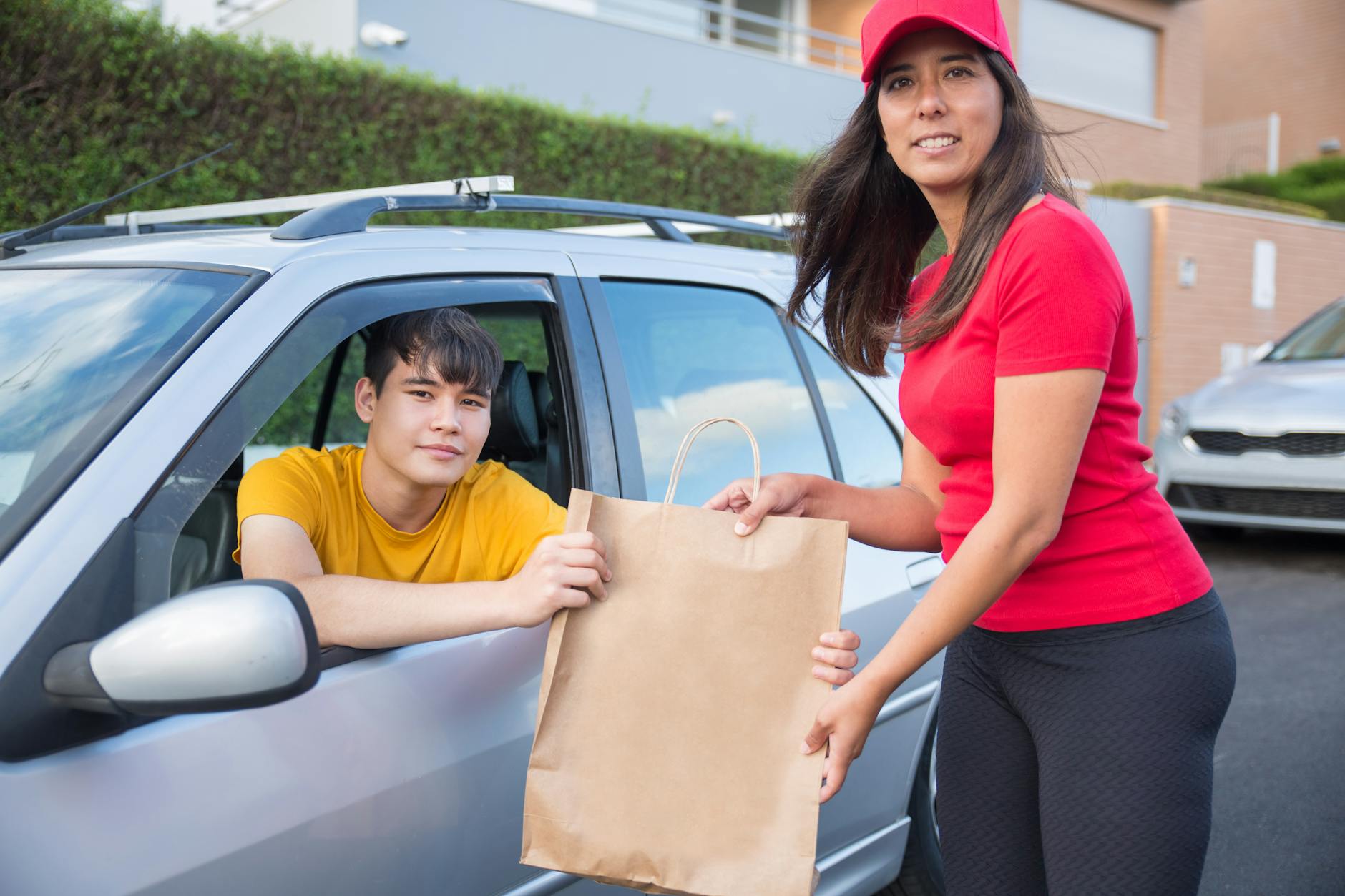
DoorDash pays a base rate per order (usually $2–$10) plus tips. The base rate varies by distance, time, and “Dasher Pay” minimums they’ve set for your market.
In practice. Most drivers report $18–$25/hour gross in suburban markets during peak hours, dropping to $12–$15 during slow periods.
Peak hours: Lunch (11am–1pm) and dinner (5pm–8pm) on weekdays. Saturday dinner is consistently the highest-earning window across most markets.
Uber Eats
Uber Eats uses a similar model but calculates pay differently, you see the total payout per delivery before you accept. There’s no “Quests” style incentive system as prominent as DoorDash’s, but Uber does offer surge pricing in busy areas.
Drivers generally report similar hourly rates to DoorDash but often prefer Uber’s transparency: you see the full payout before accepting.
Instacart
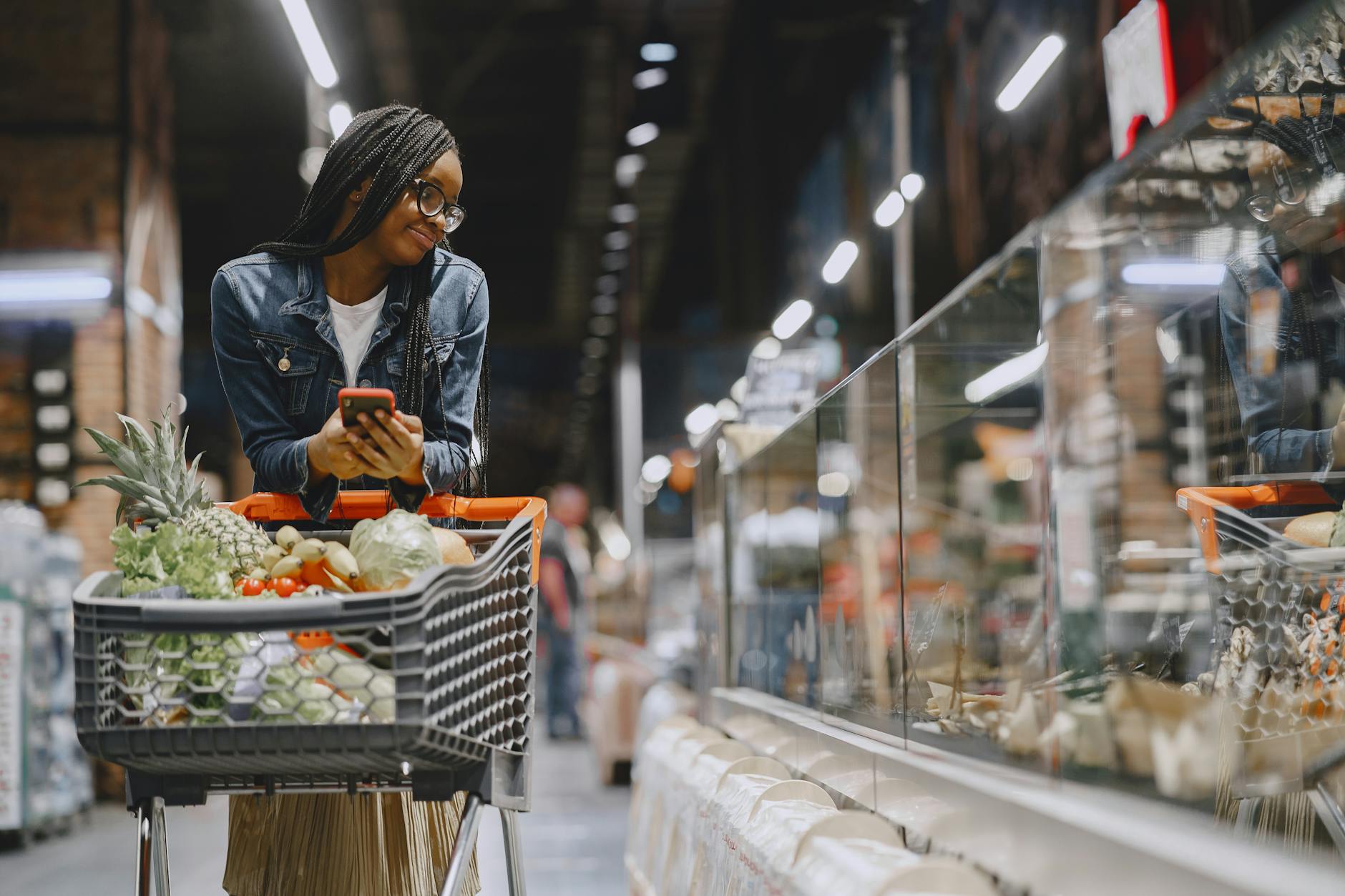
Instacart is the outlier. You’re shopping for groceries, not just picking up a restaurant order. Batches pay $7–$25+ depending on item count, distance, and weight. Heavy orders that take 45 minutes can pay $30+.
The ceiling is higher, but so is the effort. You’re walking through stores, dealing with out-of-stock items, and occasionally having to contact customers.
Experienced Instacart shoppers in busy markets report $20–$30/hour, but the floor is lower than driving, a bad batch can waste 40 minutes.
Side-by-Side Comparison
| DoorDash | Uber Eats | Instacart | |
|---|---|---|---|
| Avg hourly (peak) | $20–$25 | $18–$24 | $20–$30 |
| Avg hourly (slow) | $12–$15 | $11–$14 | $10–$15 |
| Flexibility | High | High | Medium |
| Tip reliability | Good | Good | Excellent |
| Fastest signup | 3–5 days | 3–5 days | 2–4 days |
| Daily cash-out | DasherDirect | Instant Pay | Instant Cash Out |
The Smart Play: All Three
Most experienced gig drivers don’t pick one platform. They run multiple apps simultaneously and accept whichever order pays best.
This is called “multi-apping” and it’s completely legal. The key is to only run multiple apps when you’re actively between orders, never accept orders from both simultaneously, as that leads to late deliveries and poor ratings.
Which Market You’re In Matters More Than Which App
Here’s the truth most comparison articles skip: your local market matters far more than the platform.
In dense urban areas, all three apps are busy all the time. In suburban areas, DoorDash tends to have more order volume. In college towns, Uber Eats tends to dominate during evening hours.
The best approach: sign up for all three, run them for two weeks, and see which pays best in your specific area during your specific hours. Then optimize.
The Expenses Nobody Talks About
Your gross hourly number isn’t your take-home. Account for:
- Mileage: IRS standard rate is 67 cents/mile (2024). Track every mile.
- Self-employment tax: Set aside 25–30% of net earnings for taxes.
- Wear and tear: Factor in oil changes, tires, and depreciation.
After expenses, expect your net hourly to be 20–35% lower than the gross figure. A $22/hour gross is roughly $15–$17/hour after real costs in most scenarios.
Verdict
Best overall: DoorDash, highest order volume and most consistent in most markets. Best transparency: Uber Eats, you see the full payout before accepting. Highest ceiling: Instacart, more effort, but experienced shoppers earn more per hour.
Sign up for all three. Run them in parallel. Chase the bonuses each platform offers new drivers. In most cities, you can earn your first $200–$300 in a single weekend.
Get the Best Side Hustle Tips, Free
Weekly guides on making extra money, cashback tricks, and gig economy tips. No spam, ever.
✓ You're in! Check your inbox.
UNSUBSCRIBE ANY TIME
Gig Economy Editor
Sara Mitchell
Sara has been writing about personal finance and the gig economy for 8 years. She's driven for three different delivery platforms and tested nearly every survey app so you don't have to. Based in Austin, TX.